
1. Live Well, Not Just Long
Longevity is no longer just about how long we live, but how long we live well. The focus has shifted from lifespan to healthspan – years free from frailty and disease. Preventing decline begins far earlier than we think, with strength training, cardiovascular exercise, good sleep, and a balanced diet at the core. Gradually reducing calorie intake with age helps the body clear out damaged cells, while rest and recovery keep energy systems strong.
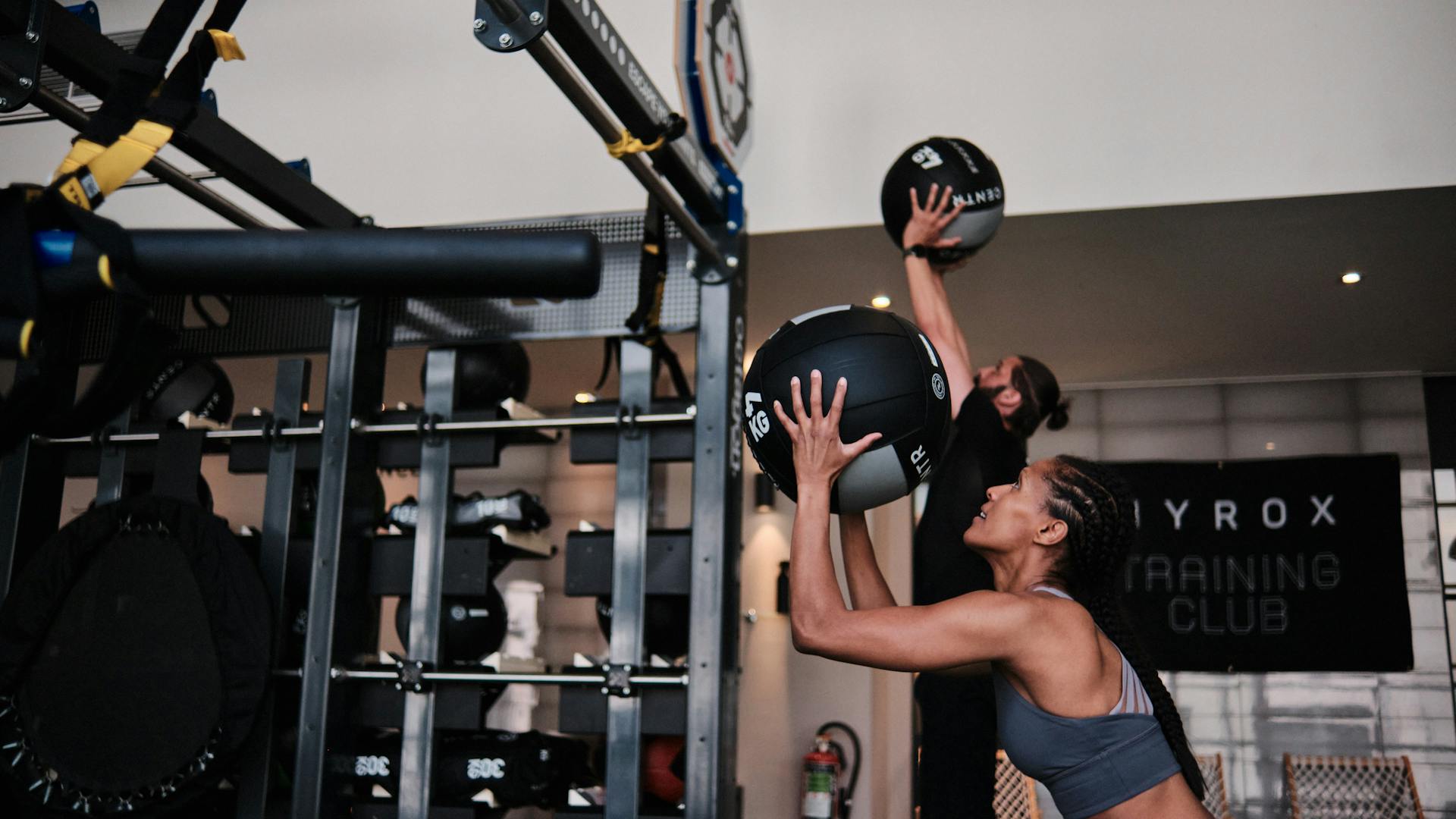
2. Eat for Immunity
The gut microbiome – trillions of bacteria living mostly in our intestines – is proving vital to health, regulating up to 85% of our immune system. Modern diets heavy in processed food starve it of fibre, undermining resilience against cardiovascular disease, Alzheimer’s and autoimmune conditions. Fibre supplements are growing in popularity, but the best sources remain whole foods: fruit, vegetables and whole grains. Feeding the microbiome is now one of the most powerful ways to support immunity.
3. Recover Your Energy
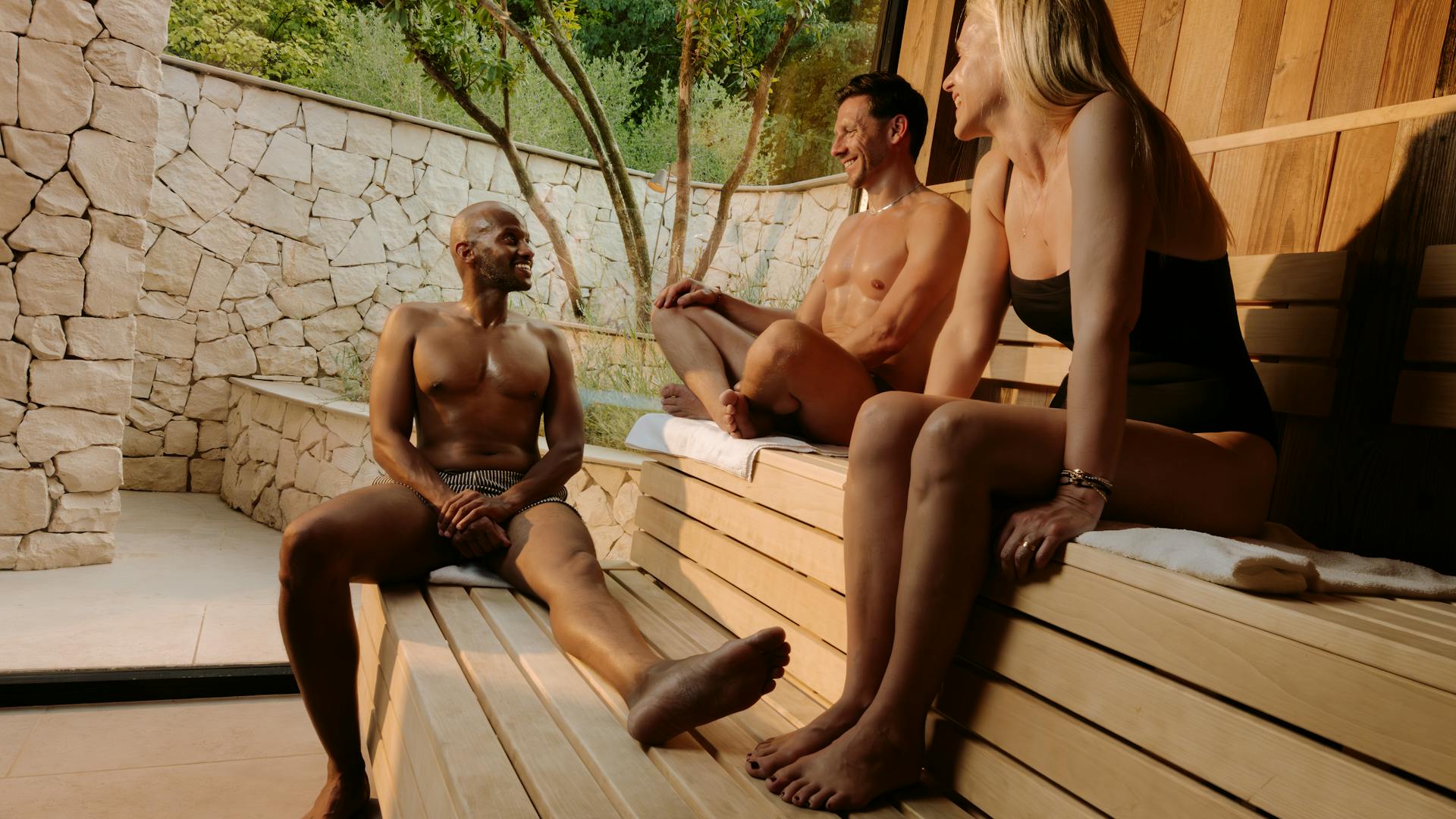
Constant stimulation from screens and devices leaves us wired yet fatigued. The recovery sector is responding with therapies that help us switch off: flotation, dry floats, massage beds, chronotherapy and cold plunges all aim to restore calm and energy. As stress increases and disengagement becomes harder, these recovery practices are shifting from luxury to necessity, with spas and wellbeing spaces playing a bigger role in daily health.
4. Reconnect with Sleep
We are living through a sleep crisis. Blue light, artificial heating and caffeine disrupt our circadian rhythms, while devices keep us alert long into the night. Yet at least ten essential processes – from memory filing to wound healing – depend on quality sleep. Without it, wellbeing simply unravels. The solution lies in rediscovering ancestral habits: aligning with natural light and dark, establishing routines, being physically active, and minimising stimulants.
5. Find Your Tribe
Human beings thrive on connection, yet many of us face increasing loneliness. The traditional “third place” – once filled by places of worship or community hubs – is disappearing, but alternatives are emerging: running clubs, art workshops, community groups, even online spaces. Wellbeing itself is becoming a form of community, with “wellness celebrities” leading global conversations. Ultimately, belonging matters: our tribe gives us identity, support and purpose.
6. Train Your Mind
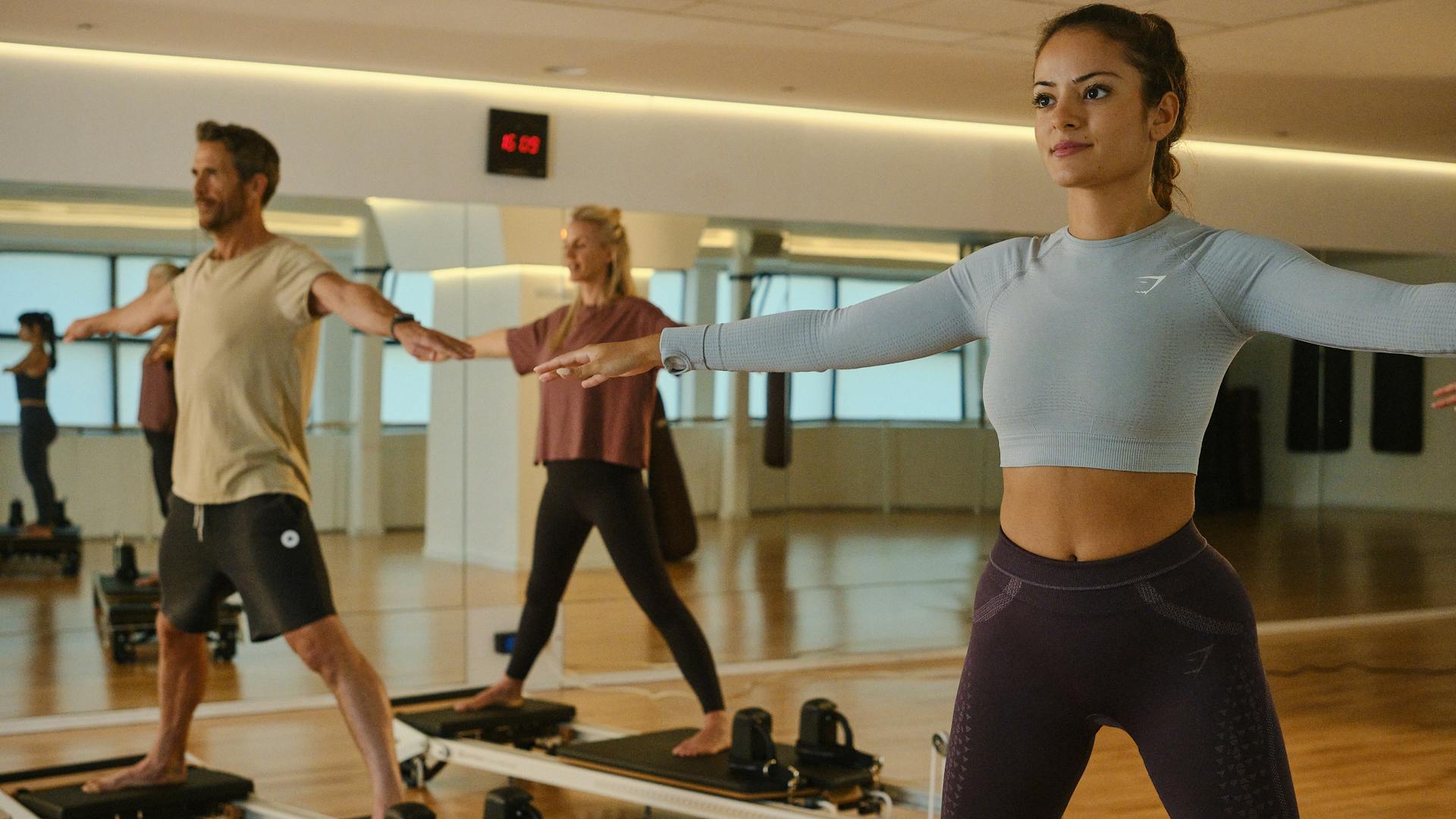
Mental health is being reframed as psychological fitness. Rather than waiting to treat problems, we are encouraged to strengthen mental resilience through intentional behaviours. Tools such as self-compassion, growth mindset, social connection, journaling and volunteering all support stability and wellbeing. As these practices move into the mainstream, we will see psychological training embraced as strategically as physical training.
The takeaway: these six trends show that wellbeing is not abstract or unreachable. It is human, accessible, and built step by step.
At Aspria, we provide the spaces, expertise and programs to help you embrace this journey and Live Life Well.