
Our popular Discovery Workshops are an easy way to begin your fitness training at Aspria. Designed to be more targeted than usual gym inductions, this comprehensive series of small-group sessions empowers members of all experience levels to build confidence and learn more about the equipment and the workout techniques needed for an efficient fitness programme.
For that extra tailored approach, the series is split into pathways on resistance, cardio, functional and flexibility training. But how do you choose which fitness training method is right for you? Florent Rivault, Wellbeing Manager at Aspria Royal La Rasante breaks down what you should consider.
If you are at all familiar with fitness exercises, there is a good chance you’ve heard about these four training methods many times before. They all provide you with fantastic health and fitness benefits, which is why a well-rounded training programme incorporates certain elements from all these categories. But ultimately, it is important to find the style that you feel most comfortable with, as a big part of remaining motivated and achieving your goals is enjoying what you do. So, what should you keep in mind?
RESISTANCE TRAINING
What is it?
Synonymous with strength training, it actually encompasses any form of exercise that challenges the muscles to respond against an external source of resistance, which can range widely - from your own bodyweight to resistance bands, weight machines and equipment such as dumbbells and kettlebells. So don’t be put off by the term “strength training”, it’s not something that only body builders would be interested in. Whether you are taking part in a Pilates class, lifting weights, working on your chest presses in the gym or simply doing a set of squats at home, you are performing a resistance exercise.
Why should you do it?
Generally, the main goals of resistance training are to improve strength and endurance. And if you are a beginner, a programme focused on strength training will allow you to see changes in your body composition relatively early on.
However, the benefits of long-term resistance training reach much farther than lean muscle mass. In fact, a recent study concluded that 30-60 minutes of strength training every week can lower the risk of all non-communicable diseases such as heart disease and cancer by 10-20%. More specifically, here is what it can help with:
1. Improved cardiovascular efficiency by supporting a healthy blood circulation.
2. Increased metabolism efficiency, aiding in weight loss efforts.
3. Increased bone density, a big help in preventing osteoporosis.
4. Hormone stimulation, providing not only an energising effect on your body, but also boosting your self-esteem.
5. Cholesterol regulation, with low-to-moderate intensity resistance training helping reduce cholesterol.
6. Improved balance and coordination, by building core strength.
Other considerations:
· A versatile approach with great workout options for beginners, such as the easy-to-use resistance bands, and a variety of accessible exercises you can perform anytime, anywhere.
· If you have an advanced fitness level, you can follow a progressive resistance training programme, gradually increasing the number of repetitions, or using heavier weights.
· Aging makes muscle mass decrease more and more, which leaves your body vulnerable and less able to function. Regular strength training helps maintain that muscle mass – which is why it is also recommended for older adults.
· If you have any existing injuries, mention them to your personal trainer – there are ways to adjust a strength training plan to your conditions.
CARDIO TRAINING
What is it?
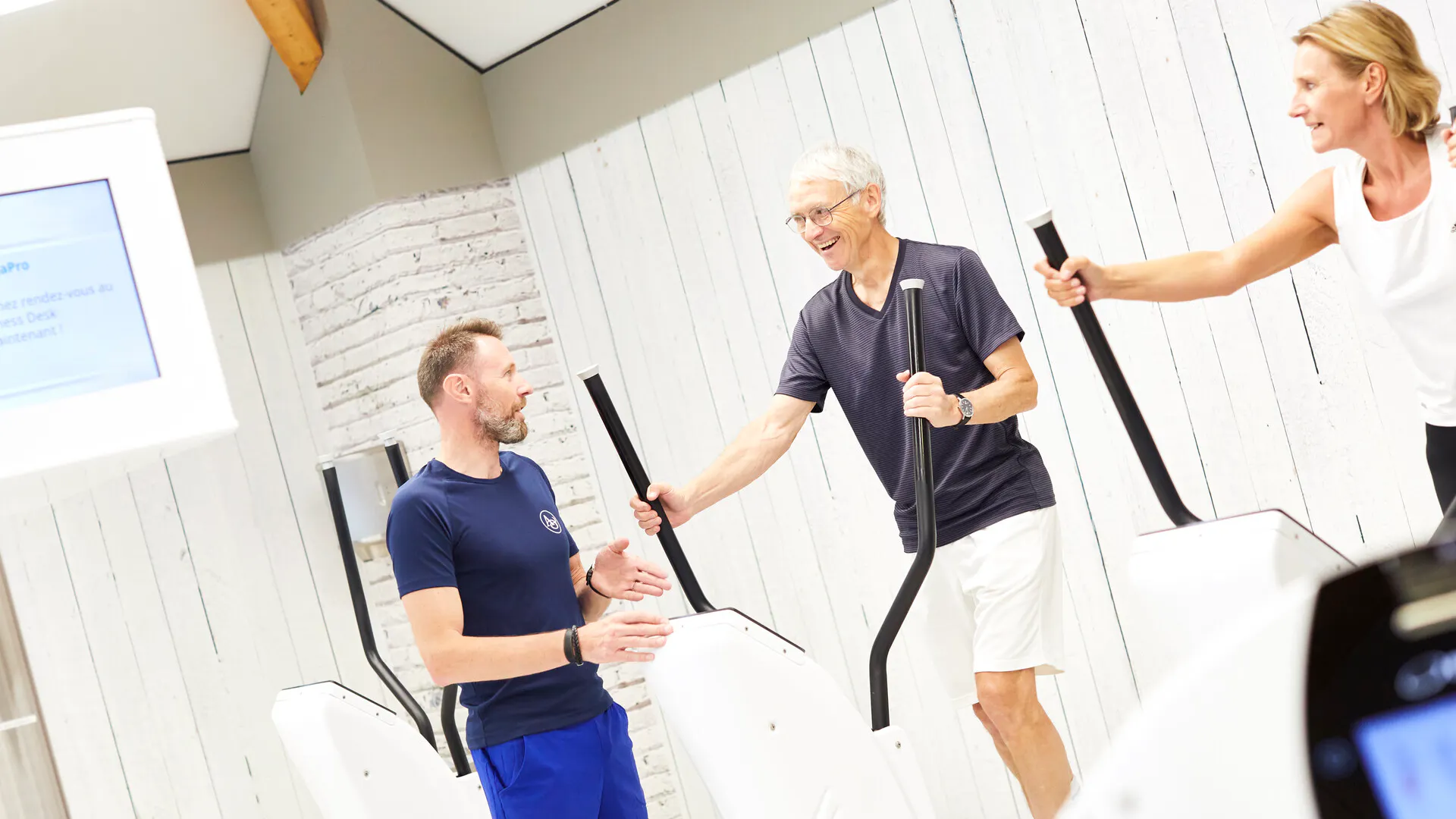
Also referred to as aerobic training, cardio is defined as any type of workout activity that raises your heart rate, challenging both your cardiovascular and breathing functions to improve their capacity. Cardio is actually vitally important to your health and wellbeing, enabling you to engage in normal daily activities without excessive fatigue.
According to the American Heart Association, adults should aim to include at least 150 minutes of moderate intensity aerobic activity or 75 minutes of intense aerobic activity every week. This can include anything from using a rowing machine to taking a HIIT class, from swimming or cycling to jogging or even brisk walking, making it easy for everyone to incorporate cardio into their routine.
Why should you do it?
Of course, the main benefit of this training style is to your cardiovascular health by lowering blood pressure and maintaining the arteries clear. Other benefits include:
1. Reduced risk of chronic diseases such as diabetes.
2. Improved lung capacity, allowing for more efficient breathing by building stronger respiratory muscles.
3. Mental health support, as even a single workout session can provide a boost in your overall mood.
4. Improved sleep quality
5. Positive effect on maintaining episodic memory among adults aged 55+. A recent study concluded that aerobic training is “an accessible, non-pharmaceutical intervention that can improve episodic memory in late adulthood”.
Other Considerations
· It’s a safe activity for most people, including kids and older adults, making it a perfect option for a family workout.
· You don’t need a long cardio session in order to make it efficient, so always strike a balance between the length and intensity of the workout.
· Invest in wearable tracking devices to keep a check on your cardio performance and remain within the right “cardio zone” according to your fitness level.
· If you are looking for low-impact activities, swimming and walking are great options.
FUNCTIONAL TRAINING
What is it?
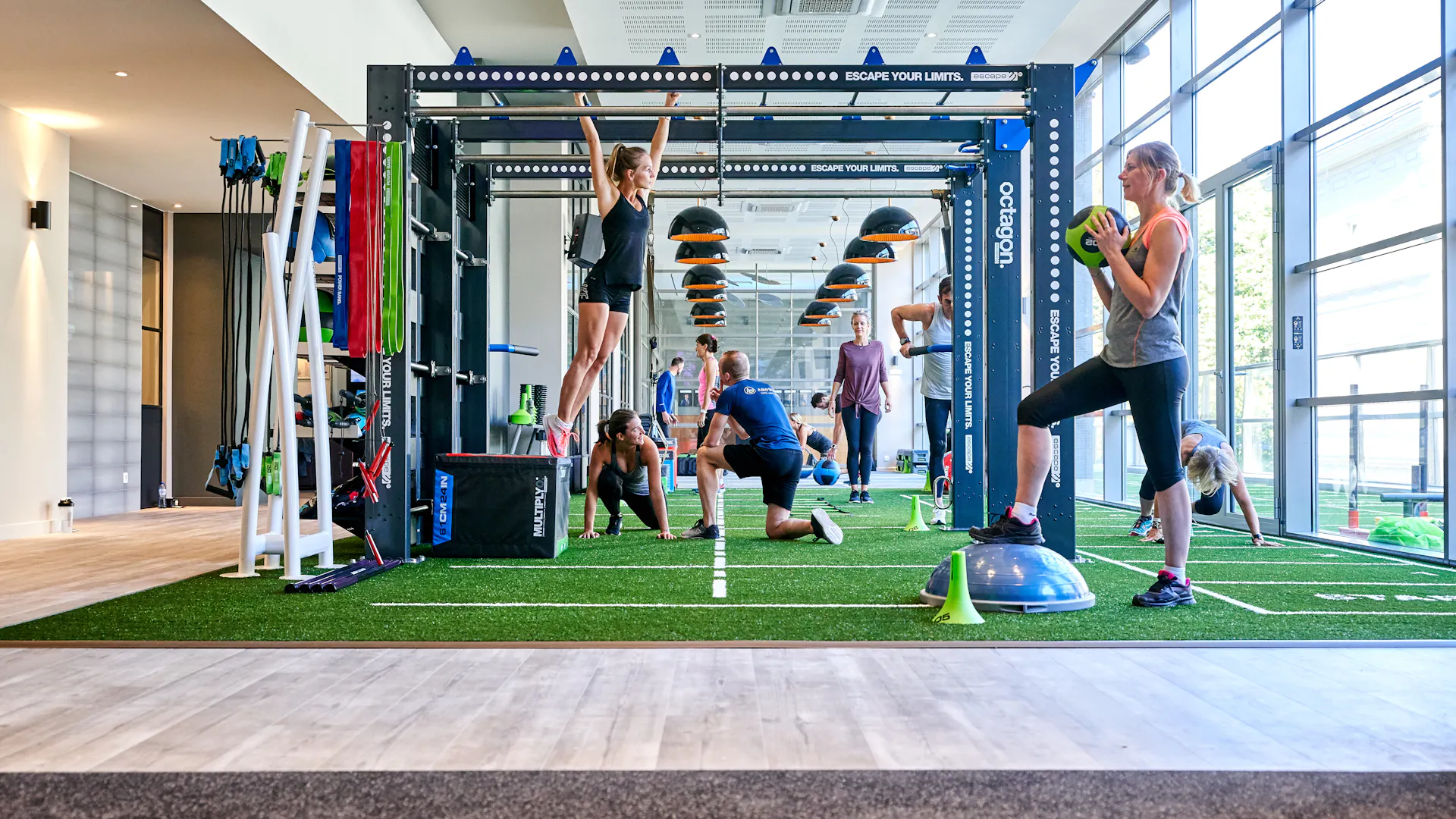
A very practical type of workout, functional training consists of compound exercises aimed at preparing the body to function properly during your daily activity – including the most basic functions, such as bending, twisting or lifting heavy items. In fact, exercises contain variations of the 7 fundamental movements of the human body: Pull, Push, Squat, Lunge, Hinge, Rotation and Gait.
So simple lunges, jump squats, and push-ups can be perfect examples of functional training, but of course, there are more specialised options too, such as the circuit-based TribalFit classes available at Aspria Arts-Loi or Circuit Training sessions available at Aspria Royal La Rasante and Aspria Avenue Louise.
Why should you do it?
The main benefit of functional training is that it enables a correct form of movement, with exercises focusing on the unrestricted use of your knees, hips, spine, shoulders, elbows and wrists. Other positive effects include:
1. Improved posture and stability, by targeting various muscles at the same time.
2. Heightened awareness of your body; also called proprioception, this is the body’s ability to sense its movements and actions without you consciously thinking about your environment.
3. Increased resilience, allowing your body to cope better with physical stress and fatigue.
4. Stronger connective tissue, which in turn reduces the risk of injury.
Other Considerations (age, medical conditions, special care etc)
· Functional training is often used in rehabilitation treatments.
· No equipment is needed, and simple exercises are enough to maintain your ability to perform fundamental movements.
· Functional exercises can support with healthy physical development in children, prevention in adults and maintenance of body function in older adults. That’s why functional classes are offered for the widest age range: from 12-year-olds to seniors.
· With hundreds of exercises to choose from, you can easily keep going without getting bored.
FLEXIBILITY TRAINING
What is it?
Involving exercises meant to stretch and loosen your muscles, flexibility training should be an integral part of any fitness programme. In fact, you can choose to follow stand-alone stretching classes, but mobility activities also include your warm-up and post-workout recovery exercises. If you only have a few minutes in the day, flexibility training can simply be a set of yoga postures that de-tense your body.
Why should you do it?
As the name suggests, flexibility training purposefully aids with improving your body’s elasticity, which is essential in preventing injuries, and generally speaking, in ensuring a good quality of life. If functional exercises focus on the form, flexibility exercises help with the range of motion – simply put, how far and wide your body can go. When used as warm-up, they specifically help with:
1. Decreased stiffness, thus allowing the body to perform efficient movements.
2. Mental preparation for the upcoming exercise.
When used as post-workout exercises, benefits include:
1. Effective recovery following the body’s exertion, via circulatory drainage action.
2. Improved posture, correcting any imbalances and achieving proper alignment of your body by working on your muscular flexibility.
Other Considerations
· Because of the nature of the exercises, your brain can focus on how your body “feels” as it responds to the activity. By allowing you to connect with yourself in an almost meditative state, this type of activity aids with stress resilience.
· Even 15 minutes of flexibility training can help you reconnect and recharge.
· Busy professionals who spend their entire day at their desks can use flexibility exercises to help with bad posture and stiffness.
· There is no fitness performance without flexibility. By allowing greater movement, your body will be able to absorb the physical effort – especially during intense activity.
· Advanced athletes incorporate PNF training into their routine to ensure performance. PNF, or proprioceptive neuromuscular facilitation is a stretching technique that improves your range of motion.
Finding the right fitness training method for you is not always easy. And ideally, your workout plan should include a balanced combination of all the above training methods. So, if you require further support, we invite you to talk to one of our personal training experts, who can guide you towards the best options for you.
If you are an Aspria member, we also encourage you to try as many of our Discovery Workshops as possible– as it may help you start a new activity you have never considered before. You can book a suitable slot, according to your fitness level, via the members-only myAspria app. Following the workshops, you can also use our library of pre-set workouts on the app, enabling you to practice by yourself and inspiring you to try out new routines.
Related articles
fitness
The indicators you should take into account when aiming to set SMART fitness goals.
fitness
A quick and effective way to warm up at the beginning of your training session

fitness
Aspria instructors Caroline and Chady introduce you to their favourite 3 strength exercises


